Key Findings
Market Growth
The U.S. electric vehicle market experienced significant growth from 2017 to 2019, with annual EV sales reaching over 320,000 units by 2019. This period saw a fundamental shift as electric vehicles moved from a niche market into the mainstream automotive landscape.
Tesla Dominance
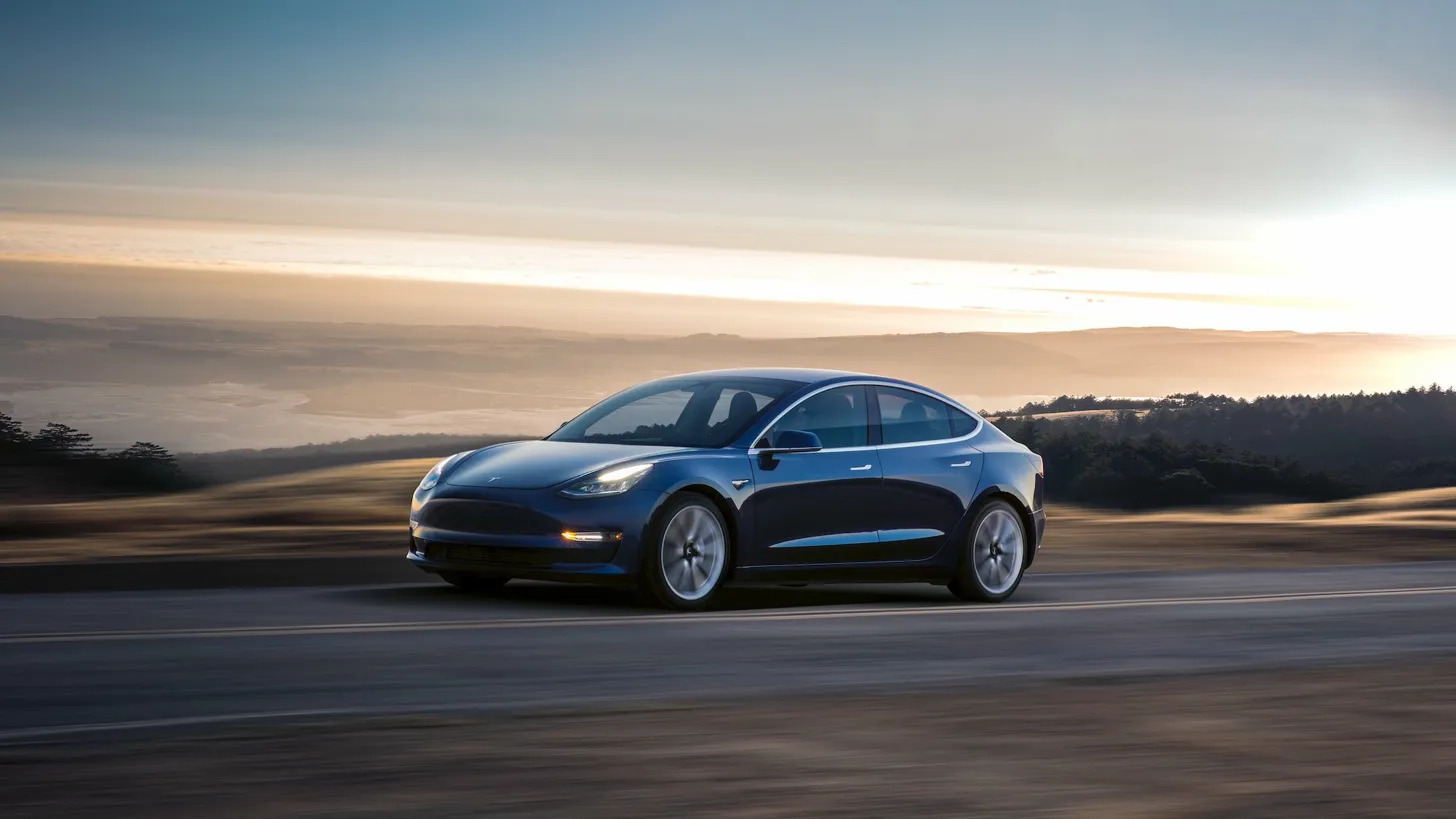
Tesla's Model 3 became the best-selling EV in America by 2018, capturing approximately 50% of the market share. The dramatic production increase from 1,770 units in 2017 to 139,782 units in 2018 represented an 8,600% growth year-over-year — one of the most remarkable ramp-ups in automotive history.
Technology Diversity
The market showed diverse charging standards (Tesla Supercharger, CCS, CHAdeMO) and varied vehicle types (sedans, hatchbacks, SUVs, crossovers, and minivans), providing consumers with multiple options to fit their needs and lifestyle.
Performance Evolution
Pure EVs demonstrated impressive acceleration capabilities, with some models (Tesla Model S, Model X) achieving 0-60 mph times under 3 seconds, rivaling high-performance sports cars while producing zero emissions.
Market Trends
Range Improvements
Battery technology advanced significantly during this period. The Nissan Leaf evolved from a 30 kWh battery (107-mile range) to a 62 kWh option (226-mile range). Tesla maintained its lead with ranges exceeding 300 miles, setting the benchmark for the industry.
Plug-in Hybrid Segment
PHEVs like the Prius Prime, Chevy Volt, and Honda Clarity offered electric-only ranges of 25-53 miles, appealing to consumers concerned about range anxiety while maintaining gasoline backup capability. However, pure EVs were steadily gaining ground.
Efficiency Leaders
The Toyota Prius Prime led in MPGe ratings at 133, while pure EVs like the BMW i3 (124 MPGe) and Nissan Leaf (124 MPGe) offered exceptional efficiency compared to traditional gasoline vehicles averaging around 25 MPG.
Premium Segment Growth
Luxury manufacturers (BMW, Audi) entered the market with premium EV offerings, expanding consumer choice beyond economy-focused models. The Audi e-tron launched in 2019 and immediately sold over 5,300 units in its first year.
Tesla Performance Deep Dive
Tesla accounted for the lion's share of U.S. EV sales during 2017-2019. Below is a breakdown of sales across all three Tesla models available during this period.
| Model | 2017 Sales | 2018 Sales | 2019 Sales | Total (2017-2019) |
|---|---|---|---|---|
| Tesla Model 3 | 1,770 | 139,782 | 154,840 | 296,392 |
| Tesla Model S | 26,500 | 25,745 | 15,090 | 67,335 |
| Tesla Model X | 21,700 | 26,100 | 19,425 | 67,225 |
| Total Tesla Sales | 49,970 | 191,627 | 189,355 | 430,952 |
Affordable EV Alternative: Nissan Leaf
While Tesla captured the headlines, the Nissan Leaf remained an important part of the market as one of the most affordable long-range EVs available. Its evolution during 2017-2019 demonstrates how battery technology was improving across the industry.
Nissan Leaf Sales & Specs (2017-2019)
| Year | U.S. Sales | Battery | EPA Range |
|---|---|---|---|
| 2017 | 11,230 | 30 kWh | 107 miles |
| 2018 | 14,715 | 40 kWh | 150 miles |
| 2019 | 12,365 | 40 / 62 kWh | 150 / 226 miles |
The Nissan Leaf was the world's best-selling EV from 2011-2014 and again in 2016, with over 650,000 units sold globally. By 2019, it had sold 165,000+ units in the United States alone.
2026 Nissan Leaf Update
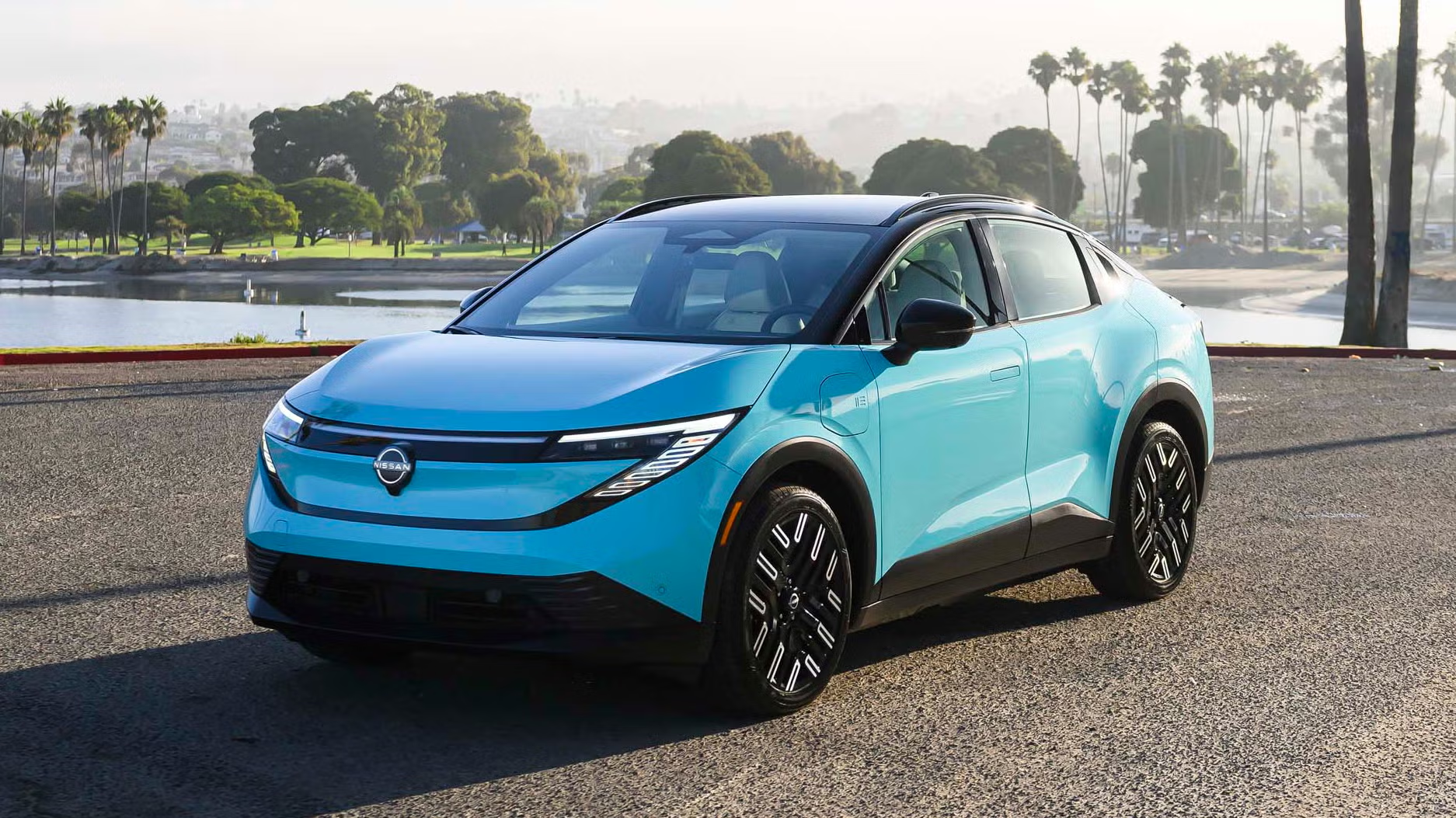
The Leaf continues to evolve. The 2026 model starts at $29,990, making it the lowest-priced new EV in the U.S.:
- Range: Up to 303 miles
- Battery: 75 kWh liquid-cooled
- Fast charging: 10-80% in 35 minutes
- Performance: 214 hp, 0-60 in 6.8 sec
- Charging port: NACS (Tesla Supercharger compatible)